The Petite Woman's Guide to Perfect Proportions
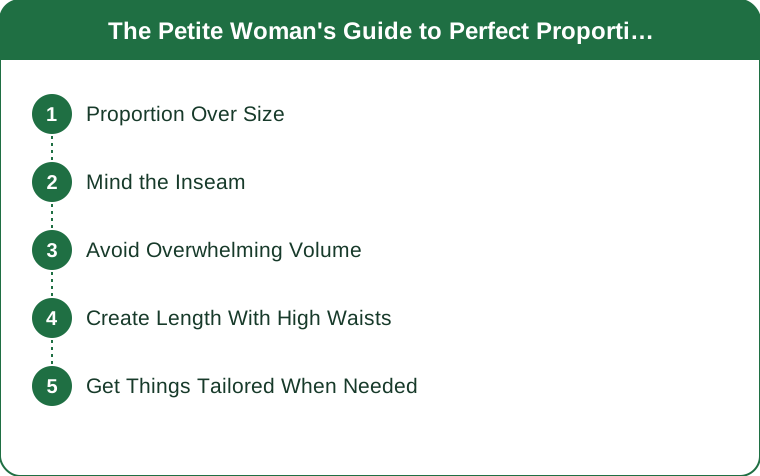
Quick Answer: Petite dressing is proportion dressing, not small-size dressing. The highest-impact fixes are getting the inseam right (bunching at the ankle visually shortens you by inches), choosing fitted or cropped tops over oversized ones, and using high waistbands plus monochrome to lengthen the leg line. Petite generally means 5’4” and under — it’s about vertical distribution, not width.
You bought the leggings in your size. They fit at the waist, they fit at the hip, and there’s four inches of extra fabric concertinaed around your ankles.
So now you look shorter than you did in the mirror this morning, and it isn’t your body’s fault.
Being petite isn’t about being small everywhere. It’s about proportion — and proportion is a skill you can learn in an afternoon.
What Does Petite Actually Mean in Clothing?
5’4” and under, in most retailers’ definitions. And critically, it says nothing about your weight or size.
Petite sizing adjusts vertical measurements while keeping the width grading the same. A petite size 10 has the same bust and hip measurements as a regular size 10 — what’s different is the inseam (typically 2–3 inches shorter), the rise, the sleeve length, and where the waist seam and armhole sit.
That last part matters most and gets least attention. A regular-cut top places the waist seam based on an average torso length. On a shorter torso, that seam lands at your hip instead of your waist, which is why some tops just look “off” without you being able to say why.
Once you think in proportions rather than sizes, everything clicks. You stop asking “is this my size” and start asking “does this land where it should on me.”
What Legging Length Is Best for Petite Frames?
This is the number-one petite fix, and it’s worth getting precise about.
The problem: a standard legging inseam runs 27–29 inches. On a petite frame, that leaves 2–4 inches of excess that bunches at the ankle. Those horizontal folds create a visual break exactly where you want a clean vertical line — and the eye reads that break as “shorter leg.”
The inseam numbers that work:
- 7/8 length: 23–25 inches. Hits just above the ankle bone. The single most flattering length for most petite frames.
- Full length petite: 25–26 inches. Should end at the ankle bone with no pooling.
- Capri: 19–21 inches. Ends mid-calf at the narrowest point. Ending at the widest part of the calf is what makes capris unflattering, and it’s an inch-or-two problem.
How to check before buying: measure a pair you already like from crotch seam to hem. That’s your number. Then filter by inseam, not by “petite” labeling, which varies wildly between brands.
A proper inseam elongates the leg instantly and costs nothing extra. This one change does more than every other tip combined.
How Should Petite Women Handle Oversized Tops?
Carefully, and with one anchor point.
Oversized and boxy tops swallow a petite frame because they eliminate the waist entirely — and on a shorter torso, there’s less vertical space to absorb that volume. You end up as one continuous rectangle.
What works instead:
- Fitted or semi-fitted tops that follow your shape.
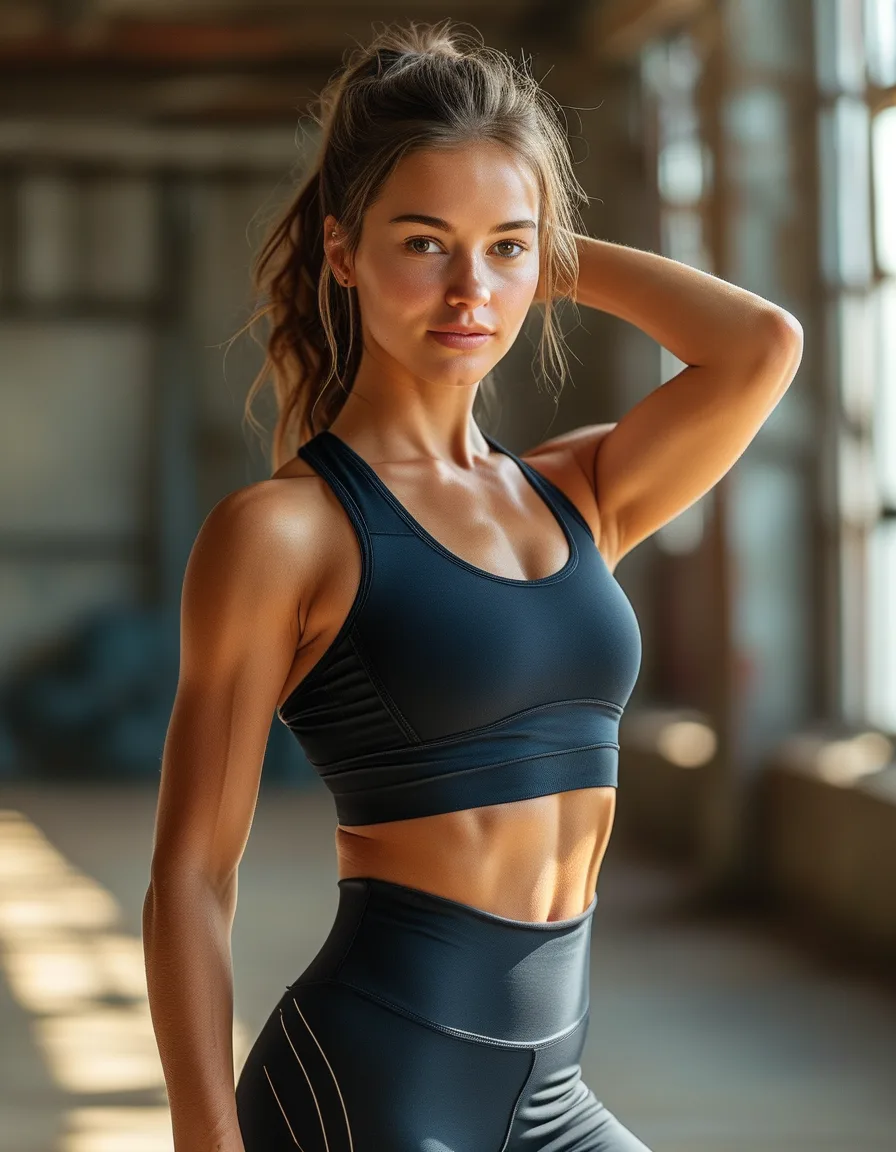
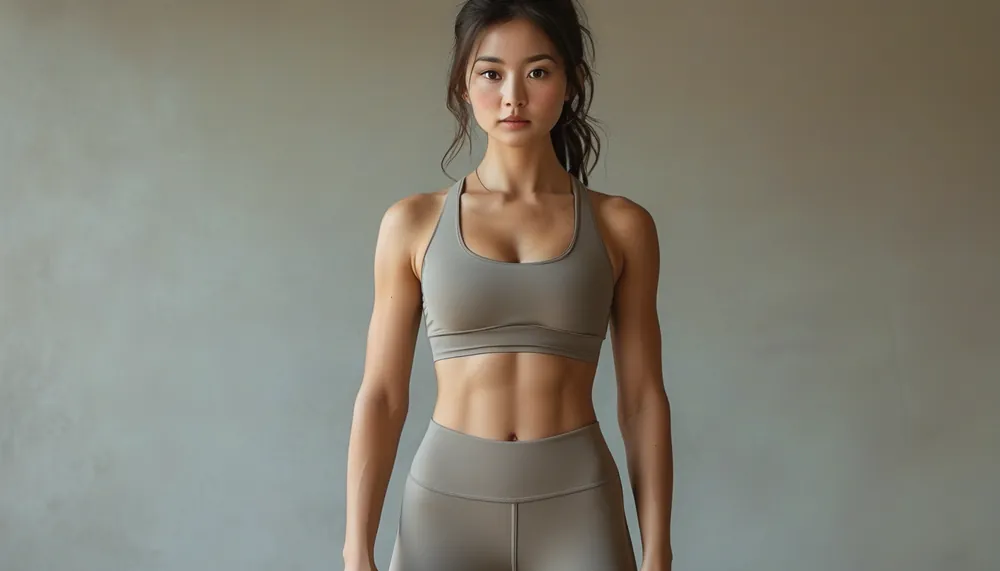
- Cropped styles that end at the natural waist, creating a visible waistline and a longer-looking leg below it.
- Oversized with a front tuck. You can absolutely wear the oversized sweatshirt — just tuck the front hem into the waistband. That single move restores the waist and keeps the relaxed look.
- Half-tucks and knots achieve the same thing with less commitment.
The rule underneath all of it: you need one visible waist definition somewhere in the outfit. Volume on top is fine if the bottom is fitted, and vice versa. Volume on both is where petite outfits go wrong.
Structure flatters where undefined volume drowns.
The 5 Mistakes Everyone Makes Dressing Petite
- Buying petite sizes but ignoring inseam numbers. “Petite” ranges from 25 to 28 inches depending on brand. The number is the truth; the label is marketing.
- Wearing only tiny prints and delicate everything. Petite doesn’t mean dainty. A bold print in the right proportion reads confident; scaling everything down reads doll-like.
- Cutting the body in half with contrast. A light top and dark bottom creates a hard horizontal line at the waist. Monochrome or tonal dressing gives you an unbroken vertical line and adds visible height.
- Cropped jackets that hit at the widest point. A jacket ending exactly at the hip is the least flattering length available. Go shorter — at the natural waist — or longer, past the hip.
- Assuming you can’t wear wide-leg or oversized anything. You can. It just needs the right rise, the right length, and one fitted counterpoint — and getting this right is what separates petite dressing that looks intentional from petite dressing that looks apologetic.
How Do High Waistbands Create Length?
By moving where the eye thinks your legs begin.
The eye reads “leg” as everything below the waistband. Raise the waistband two inches and you’ve visually added two inches of leg and removed two from the torso — which, on a short torso, is exactly the trade you want.
The stacking trick: high waist + monochrome + a clean ankle hem, all together. Each does a little; combined they’re genuinely transformative. A high waist yoga legging in a 7/8 inseam, matched tonally to your top, is about as effective as petite styling gets with one outfit.
Two more length levers:
- V-necks and open collars draw the eye vertically and lengthen the neck.
- Pointed or low-vamp shoes extend the leg line; ankle straps cut it. On a petite frame, a nude or skin-matched shoe adds noticeable visual length.
Use these liberally. They’re free.
Is Tailoring Worth It for Activewear?
For most activewear, no — stretch fabrics are difficult and expensive to alter, and the seams are usually specialized. Buy the right inseam instead.
For everything else, a tailor is a petite woman’s single best investment:
- Hemming trousers: $15–25. Transforms the fit of every pair.
- Shortening sleeves: $20–30. The difference between a blazer that fits and one that wears you.
- Taking in a waist: $25–40. Lets you buy for hip and fix the gap.
A $60 pair of trousers plus $20 of hemming fits better than a $200 pair off the rack. Nothing flatters like clothes that were adjusted to your actual measurements.
Frequently Asked Questions
What height is considered petite?
Generally 5’4” (163 cm) and under in US and UK sizing, though some brands use 5’3” as the cutoff. It’s a vertical measurement only — petite sizing exists in every width from XXS to plus, and “petite plus” is a growing category.
Can petite women wear wide-leg pants?
Yes, with two conditions: the rise must be high, and the hem must be the right length — either grazing the floor with a heel, or cleanly cropped at the ankle. Wide-leg trousers that pool on the ground are what create the “swallowed” look, not the width itself.
Should petite women avoid long cardigans and maxi dresses?
No. Long unbroken vertical lines are actually flattering on petite frames — a floor-length coat or maxi dress creates one continuous line. What doesn’t work is a long piece that ends mid-calf, which cuts the leg at its widest point.
How do I find the right inseam for my height?
Measure a pair of trousers or leggings you already like from the crotch seam straight down to the hem. That’s your target inseam. As a rough starting guide: 5’0”–5’2” suits 25–26 inch full length, and 5’3”–5’4” suits 26–27 inches, with 7/8 lengths running 2 inches shorter.
TL;DR:
- Petite means 5’4” and under — it’s about vertical proportion, not size or width.
- Inseam is the number-one fix. 23–25 inches for 7/8 length; bunching at the ankle visually shortens you.
- Fitted or cropped tops, or oversized with a front tuck. You need one visible waist definition per outfit.
- Stack the length levers: high waistband + monochrome + clean ankle hem + V-neck + low-vamp shoe.
- Skip tailoring on activewear, budget for it everywhere else. $20 of hemming beats $140 of extra price tag.
See It in Motion
Seen here: High Waist 8” Yoga Shorts — shop similar styles on bubblelime.com
Keep Reading
This article is for general informational and styling purposes only. Fit, sizing, and product availability may vary.