The Jacket Length Rule That Changes How Every Petite Outfit Reads
Quick Answer: On a petite frame, the jacket hem is a horizontal line that tells the eye where your legs ‘begin’ — hems at the hip bone or higher lengthen legs dramatically; hems at mid-thigh (the classic standard-sizing landing spot) cut legs at their widest visual point and shorten everything. The rule: crop to the hip point or commit to knee-length-plus; avoid the dead zone between.
Petite styling advice obsesses over hem lengths of trousers — but the jacket hem is quietly the more powerful line, because it sets where your torso visually ends. And standard-sized jackets on petite frames land, with cruel consistency, at exactly the worst spot.

Why does the jacket hem control leg length?
The eye reads a silhouette top-down and assigns ‘torso’ to everything above the strongest horizontal line, ‘legs’ to everything below. On most outfits, the jacket hem is that strongest line — it’s structural, it contrasts, and it wraps your full width.
The math on a petite frame is unforgiving: a jacket hitting mid-thigh donates several inches of your leg to the ‘torso’ column. On a 5’2” frame, that’s easily 15-20% of visible leg length — gone, at the exact zone where legs are visually widest.
Reverse it and the same physics pays you: a hem at the hip bone (or an inch above) moves the torso-leg boundary up, and the eye credits everything below to leg. Same body, same trousers — the jacket decides which version the room sees. This is also why standard sizing betrays petites specifically: jackets drafted for taller frames land 3-4 inches lower on you, converting their ‘hip-length’ into your ‘mid-thigh.‘
What lengths work, and what’s the dead zone?
The green zones:
- Cropped (waist to hip bone): the petite power tool — pairs with high-waisted anything for the longest possible leg line. Cropped blazers, cropped denim and moto jackets, waist-length knits: all leg, all day.
- True hip-length (ending at the hip bone, not below): the versatile classic — check it on your body, not the label; on petites this often means the brand’s petite line or a tailor’s hem.
- Knee-length and longer (with commitment): long coats work on petite frames when worn with a monochrome column underneath or a defined waist (belted) — the coat becomes one long vertical line, which lengthens. The key: clearly long, not ambiguously longish.
The dead zone: mid-thigh. Long enough to consume leg, short enough to offer no vertical drama — the length most standard jackets land at on petite bodies. If a beloved jacket lives there: belt it (creates a waist line that overrides the hem line), wear it open over a monochrome column (the inner line takes over), or tailor it up to hip-length — often a modest alteration with outsized payoff.

5 Mistakes Everyone Makes With Petite Jacket Styling
1. Buying jacket length by the label, not the mirror. ‘Hip-length’ on the size chart means the fit model’s hip. The only measurement that counts is where the hem lands on you.
2. Sleeve length ruining an otherwise-right jacket. Sleeves past the wrist bone read as ‘borrowed jacket’ and add visual bulk; a tailor shortens sleeves affordably, and it’s the alteration with the best polish-per-dollar in petite styling.
3. Fearing the long coat entirely. The dead zone scared petites off all length — but the full-length coat over a tonal column is one of the most elongating looks available at any height. The enemy was ambiguity, not length.
4. Oversized trends worn at full scale. Oversized works on petites when one dimension is oversized (roomy fit, hip-bone length) — oversized fit + oversized length is the dead zone with extra fabric.
5. Skipping the tailor. Petite styling’s open secret: the racks aren’t built for you, but hems and sleeves are cheap to move. The jacket that fits your shoulders and gets hemmed to your hip point beats every off-rack compromise.
Mistake #1 is the volume leader — the mirror-check at the hip bone takes four seconds and filters the entire store.
FAQ: Petite Jacket Questions, Answered
Where exactly is the ‘hip point’ on me?
The top of your hip bone — press fingers at your side waist and slide down to the bony crest. Hems at or above it lengthen; every inch below it starts the tax. Mark it mentally and fitting rooms become fast.
Do these rules apply to cardigans and knits?
Softer lines mean gentler effects, but yes — a mid-thigh cardigan shortens the same way, just quieter. The cardigan cheat: wear it open with a tonal inner column, and the inner vertical line does the lengthening regardless of the knit’s hem.
Belted at the waist vs cropped — which lengthens more?
Cropped + high-waist bottoms wins on pure leg-line math, but the belted long layer wins on drama and works where crops feel too casual. Both beat the unbelted mid-thigh default by a mile — pick per occasion, never pick the dead zone.
TL;DR:
- The jacket hem sets where legs visually begin: hip bone or higher = long legs; mid-thigh = the dead zone tax
- Green zones: cropped, true hip-length (on your body), or committed knee-plus with a column underneath
- Rescue dead-zone jackets: belt, open-over-monochrome, or hem up — and always fix too-long sleeves
- Check the hem against your hip bone in the mirror; the label’s ‘hip-length’ was measured on someone else
Standard sizing lands its hems at your worst line by default — move one horizontal line and every outfit re-reads taller.
See It in Motion
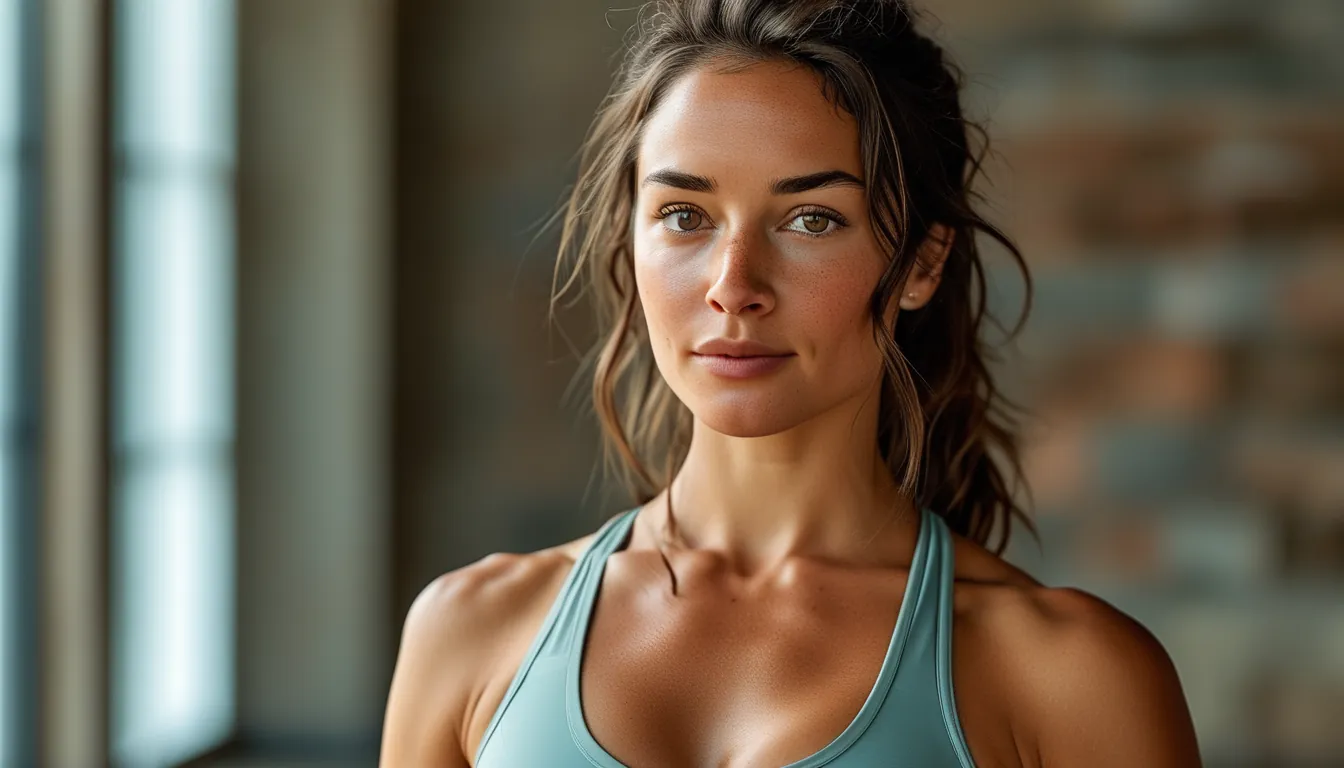
Seen here: High Waist Yoga Leggings with Side Pockets — shop it on bubblelime.com
Keep Reading
This article is for general informational and styling purposes only. Fit, sizing, and product availability may vary.